
Opportunity is the center of the modern American Dream
By Robert Krzak
For generations, the American Dream in hospitality followed a familiar blueprint: Work harder, grow the business, acquire the next property, and keep moving forward. Across the hotel industry, countless owners built successful businesses through persistence, long hours, and personal sacrifice. Many families lived the realities behind the front desk, learning firsthand what it meant to build something from the ground up.
That spirit of entrepreneurship remains deeply woven into hospitality today. However, the realities surrounding hotel ownership and operations have evolved significantly over the last several years. Rising labor costs, workforce shortages, operational complexity, and increasing guest expectations have reshaped what long-term success now requires.
As a result, the modern American Dream in hospitality is no longer defined solely by expansion or growth. Increasingly, it is being defined by sustainability, building businesses that support profitability while also creating stability for owners, employees, and future generations.
The industry’s workforce challenges have accelerated this shift. Hiring difficulties remain one of the most pressing concerns for hotel operators nationwide, but the conversation has moved beyond simply filling open positions. Retention, leadership development, and workplace culture have become critical business priorities.
Today’s workforce is looking for more than compensation alone. Employees increasingly value growth opportunities, flexibility, mentorship, purpose, and healthy workplace environments. Particularly among younger professionals entering hospitality, there is growing interest in organizations that invest in long-term development rather than transactional employment relationships.
For hotel owners and operators, this creates both a challenge and an opportunity.
Organizations that continue operating in constant survival mode often experience recurring turnover, inconsistent service standards, leadership burnout, and rising operational strain. Meanwhile, companies that prioritize internal development, operational structure, and employee engagement are increasingly positioned to create stronger long-term stability.
Opportunity Is What Sets You Apart
In many ways, opportunity itself has become a competitive advantage.
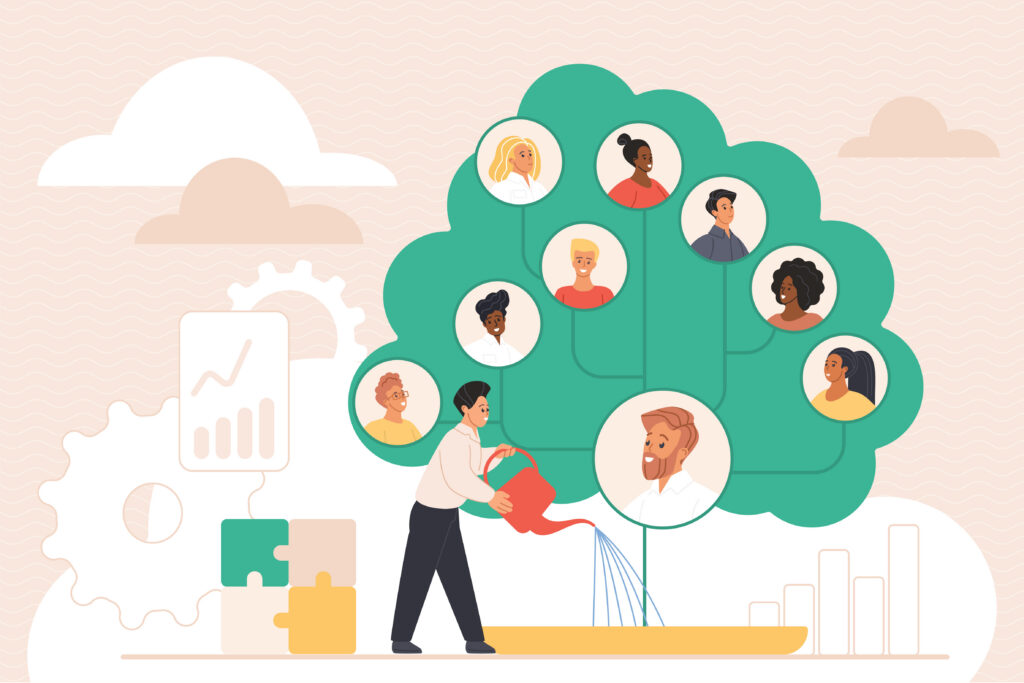
Hotels that actively develop leadership pipelines are seeing measurable benefits across operations. Internal promotion strategies not only improve retention but also preserve institutional knowledge and strengthen team morale. Employees who see a future within an organization are often more engaged, more invested in the guest experience, and more likely to remain long term.
Mentorship and workforce development initiatives are also becoming increasingly valuable within hospitality. Partnerships with hospitality schools, culinary programs, and workforce development organizations can help operators create sustainable talent pipelines while strengthening the industry overall. Rather than approaching staffing as a short-term operational problem, many leaders are beginning to treat talent development as a long-term business strategy.
This evolution is especially important as hospitality continues adapting to post-pandemic realities. Over the last several years, hotel owners have carried extraordinary operational pressure. Many operators have balanced staffing shortages, rising costs, changing traveler expectations, and economic uncertainty simultaneously. The demands of ownership have intensified, particularly for independent operators and family-run businesses.
As a result, conversations around sustainable leadership are becoming increasingly relevant throughout the industry.
Historically, hospitality culture often celebrated overwork as a symbol of commitment or success. However, long-term operational health depends on leadership sustainability just as much as financial performance. Owners and managers who operate in a constant state of exhaustion may struggle to maintain strategic focus, team consistency, and organizational growth over time.
Strong operational systems, delegation, leadership training, and clear communication structures are becoming essential tools for modern hospitality businesses. Creating scalable infrastructure allows organizations to reduce operational bottlenecks while empowering teams to operate more effectively and independently.
At the same time, hospitality remains one of the few industries where upward mobility and entrepreneurship are still highly accessible. Many successful hotel leaders began in entry-level operational roles before advancing into management, ownership, or executive leadership. That ability to create opportunity continues to make hospitality uniquely powerful within the American economy.
What Comes Next
The next chapter of the American Dream in hospitality may look different than it did decades ago, but its foundation remains the same: Creating opportunity, building community, and generating long-term value through service and leadership.
What has changed is the understanding that sustainable growth requires sustainable people.
The hotel operators shaping the future of the industry are not simply focused on expanding portfolios or increasing short-term revenue. Increasingly, they are focused on building organizations where employees can grow, leaders can thrive, and businesses can remain resilient through changing economic conditions.
In today’s hospitality landscape, success is no longer measured solely by how much can be built. It is also measured by what can be sustained.
The American Dream in hospitality has always been rooted in resilience, entrepreneurship, and service. But the next generation of successful operators may be defined not simply by how much they build, but by how well they build environments where both people and businesses can endure.
In an industry built on taking care of others, the future may belong to the organizations that learn how to sustain the people behind the operation as well.
Romal (RJ) Jayswal is co- Robert Krzak, founder and president of Platinum Industry Partner Gecko Hospitality, built a nationwide network of 80+ recruiting franchise offices through a collaborative, people-first leadership style. Known for developing talent from within, he emphasizes partnership, shared success, and empowering franchise partners, values that have shaped Gecko since its launch and franchising growth beginning in 2004. and CEO at StayNow, an AI-powered social travel platform revolutionizing how travelers connect with independent hoteliers. Prior to StayNow, RJ founded Predictive Minds, an advanced revenue management system for the hotel industry.
Image: lembergvector/stock.adobe.com
Leave a Reply